Secure hosting for universities comes down to six checkable things: institutional identity integration (SSO), role-based access with delegation, a patching and monitoring regime someone actually operates, tested backups, clear data residency, and certifications presented honestly, distinguishing what the provider holds from what its data centre holds.
Identity first: hosting should join your SSO
Standalone hosting passwords are the classic weak point: unmanaged credentials that outlive the people who set them. Hosting platforms that authenticate through institutional identity (Microsoft Entra sign-in, with conditional access where institutionally configured) keep access inside the governance IT already runs.
Role separation and delegation
Everyone-is-admin is how student hosting estates rot. Look for role models that give lecturers day-to-day visibility of their own cohorts without infrastructure access, and give IT policy control without becoming the helpdesk for every password reset.
Operations: patching, monitoring, backups
Security is mostly maintenance. Ask who patches, on what cadence, within what maintenance windows, and whether those windows respect term dates and marking periods. Ask how backups are taken, where they live and when a restore was last exercised.
Data residency and lifecycle
Know where the data physically sits (UK residency matters to most UK institutions) and how accounts end: suspension at module close, archival per policy, and clean deletion. Orphaned accounts are unmonitored attack surface.
Reading certifications honestly
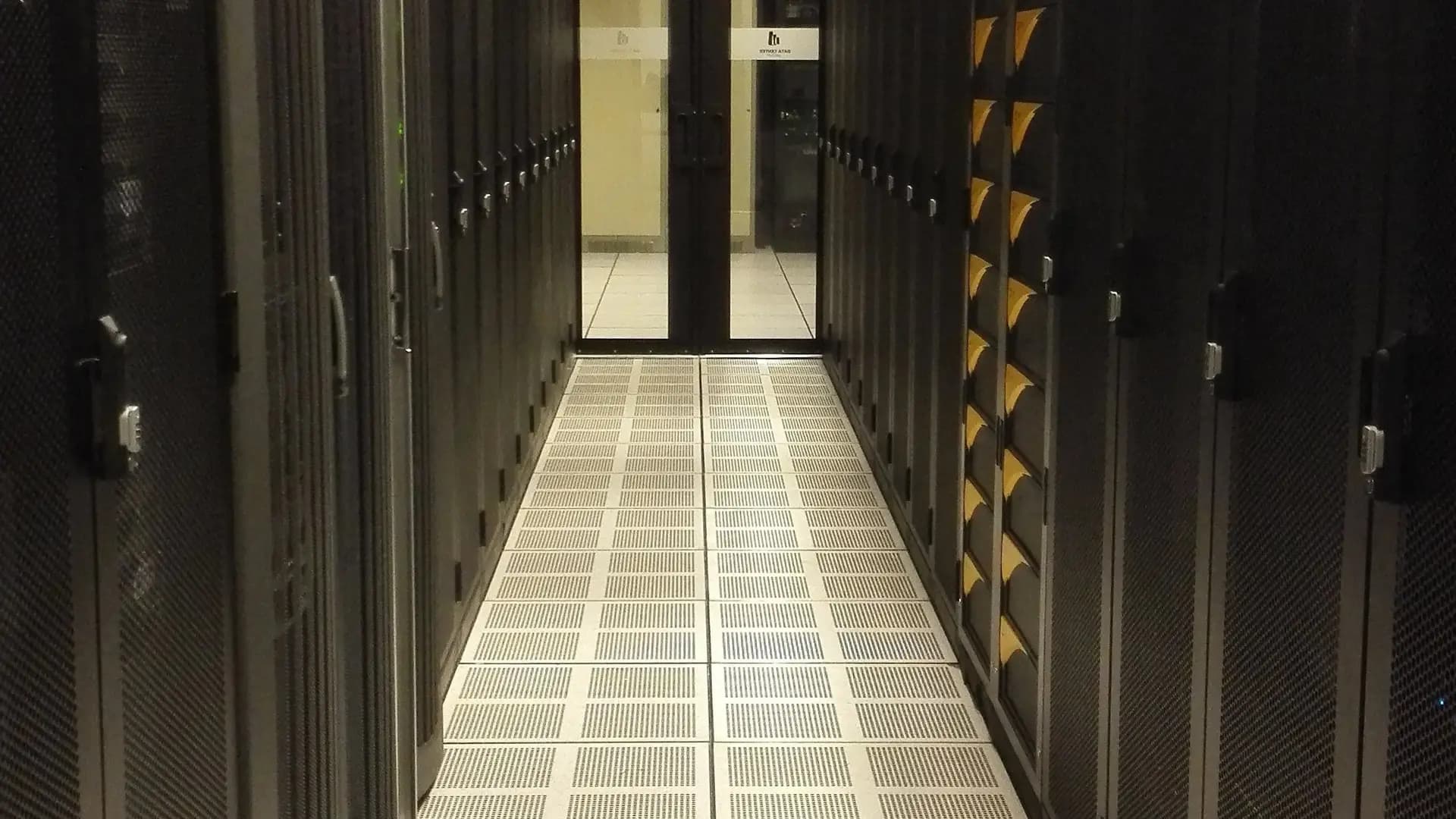
Certification claims deserve one sharp question: who holds it? A provider's own certification (for example Cyber Essentials) and its data centre's certifications (for example ISO 27001 held by the facility operator) are different assurances. Both are useful; a provider that conflates them is telling you something about its other claims.